
Air Arabia's Q1 profit falls 22% as regional conflict disrupts operations
প্রকাশ: শুক্রবার । মে ১৫, ২০২৬
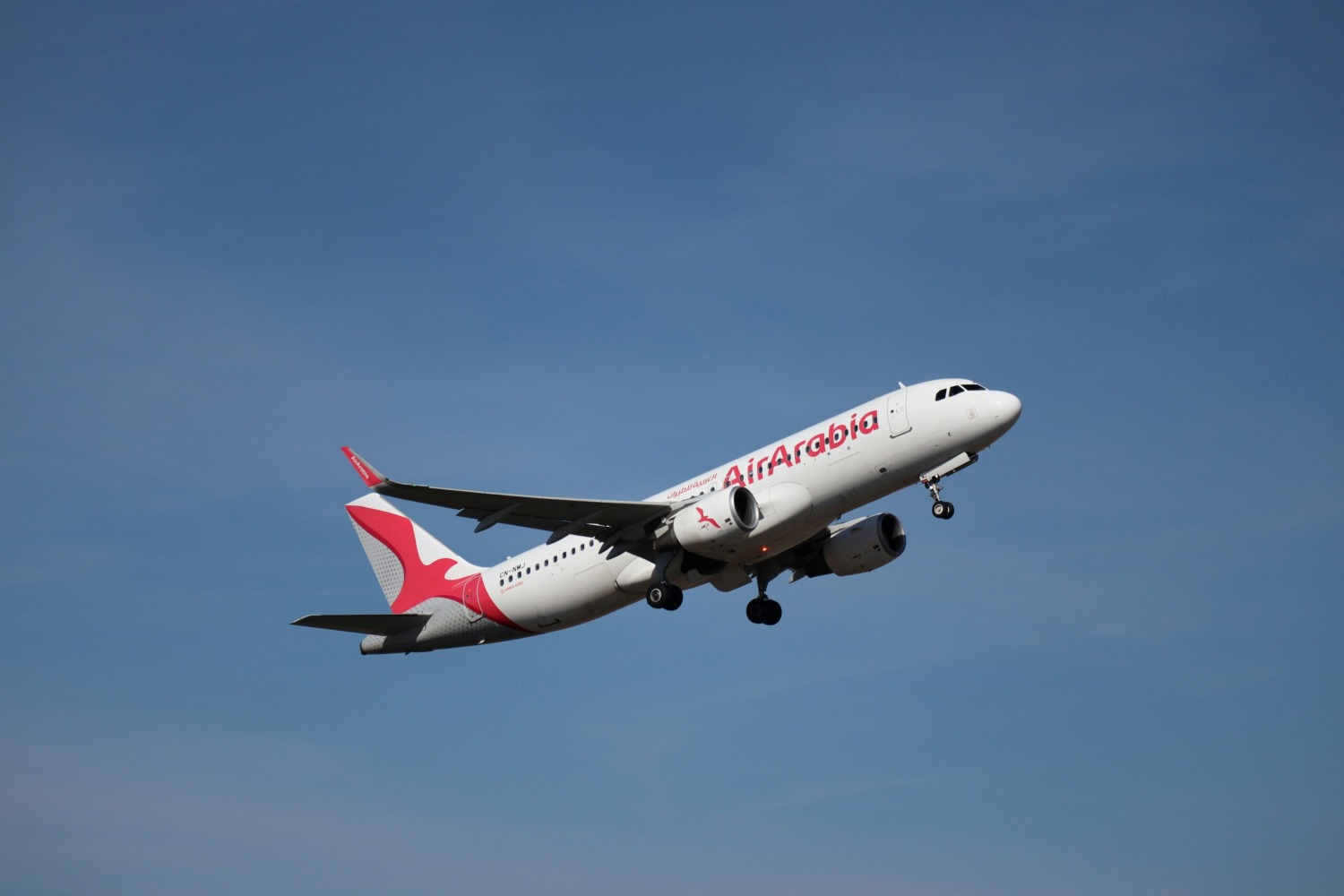
Air Arabia reported a 22 percent decline in first-quarter net profit on Wednesday, as regional airspace restrictions linked to ongoing conflict disrupted operations and reduced capacity, partially offsetting steady passenger demand.
The Sharjah-based low-cost carrier said net profit fell to Dhs278m ($75.7m) in the three months to March 31, 2026, compared with Dhs355m a year earlier.
Revenue for the period rose 1 percent year-on-year to Dhs 1.8 billion, supported by sustained demand across its network, despite operational constraints in parts of the quarter.
Passenger traffic declined 5 percent to 4.7 million travellers across Air Arabia’s operating hubs in the UAE, Morocco, Egypt, and Pakistan, reflecting reduced capacity following airspace closures and temporary operational restrictions.
However, the airline’s seat load factor improved to 86 percent, up from 84 percent a year earlier, indicating stronger aircraft utilisation and resilient demand where services were maintained.
“Despite a challenging first quarter of the year, marked by airspace restrictions and operational disruptions as a result of the conflict in the region, Air Arabia demonstrated strong resilience and agility,” chairman Sheikh Abdullah bin Mohammad Al Thani said in a statement.
He said the carrier had managed to optimise capacity and maintain operational continuity, adding that demand remained strong across its network.
Air Arabia operates a fleet of 90 Airbus A320 and A321 aircraft, both owned and leased, with additional deliveries expected under its existing order book.
Air Arabia to pursue fleet expansion during the year
The airline said it continued to pursue fleet expansion during the year while maintaining a focus on cost discipline and operational efficiency.
In February, Forbes Middle East included Air Arabia in its Top 100 Most Valuable Companies list, underscoring the airline's financial strength in the regional aviation sector.
The company also said it had obtained a limited assurance statement on its 2025 ESG report under the ISAE 3000 international standard, reinforcing its focus on governance and sustainability reporting.
Looking ahead, the airline warned that ongoing geopolitical uncertainty continues to affect the wider aviation industry through fuel price volatility, inflationary pressures, and supply chain constraints.
“Despite these challenges, we remain confident in the strength of the local and regional economies we serve,” Sheikh Abdullah said, adding that the carrier would continue to navigate market volatility with “discipline and agility.”
Source: Guf Business