
Airbus, Kawasaki explore anti-submarine Eurodrone for Japan
প্রকাশ: সোমবার । জুন ২৯, ২০২৬
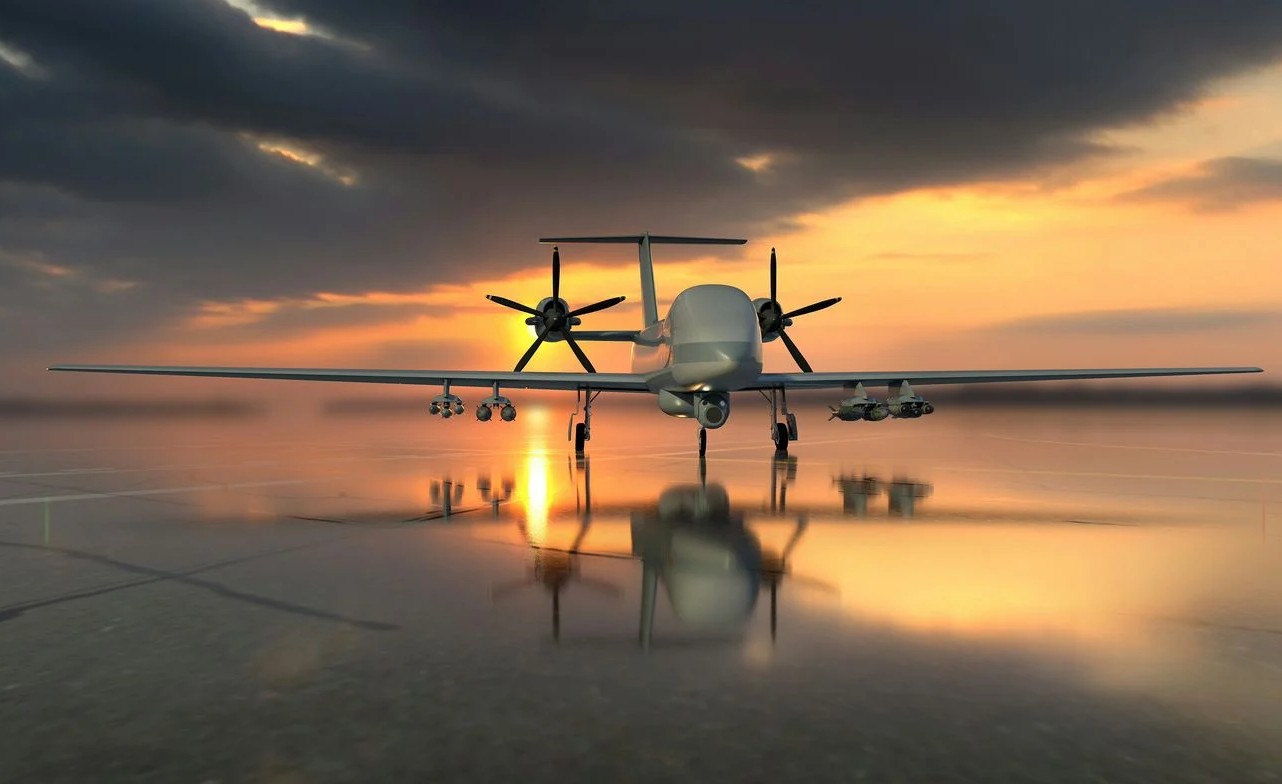
Airbus said Friday it has signed a memorandum of understanding (MoU) with Japan's Kawasaki Heavy Industries to explore the development of a Japanese anti-submarine warfare variant of the Eurodrone, marking a potential expansion of European-Japanese defence cooperation.
The agreement, announced during a defence event in Tokyo, will see the two companies assess opportunities to jointly design, develop, and commercialise a maritime version of the Eurodrone tailored to Japan's operational requirements. The project would include integrating Japanese sensors and weapon systems while examining industrial participation in production and long-term support.
Airbus said the proposed unmanned aircraft could complement Japan's existing crewed anti-submarine warfare fleet by providing a long-endurance platform capable of monitoring vast maritime areas.
According to the European aerospace company, the Eurodrone can carry mission payloads including sonobuoys and lightweight torpedoes for anti-submarine missions. Airbus said the platform offers longer endurance and greater payload capacity than comparable systems, allowing it to remain airborne for up to 40 hours while carrying up to 2.3 tonnes of mission equipment, excluding fuel.
The companies will also study possible configurations for a Japanese version of the aircraft and ways to ensure Japan could operate the system independently should it decide to procure the platform.
Airbus said the collaboration is expected to strengthen the Eurodrone programme while expanding strategic defence cooperation between Europe and Japan. It added that technologies and operational experience gained from a Japanese maritime variant would also benefit future European naval versions of the aircraft.
The Eurodrone is being jointly developed by Germany, France, Italy, and Spain under the management of the Organisation for Joint Armament Cooperation (OCCAR). Japan has held observer status in the programme since 2023, and India is also an observer.
The remotely piloted aircraft system is scheduled to make its maiden flight in 2029. Airbus said the platform is designed to perform a wide range of missions, including intelligence, surveillance, reconnaissance, target acquisition, early warning, signals intelligence, maritime patrol, and anti-submarine warfare, while operating in civilian airspace with high safety and redundancy standards.
Source: PR