
BOESL warns against fraud in overseas job recruitment
প্রকাশ: শনিবার । এপ্রিল ১১, ২০২৬
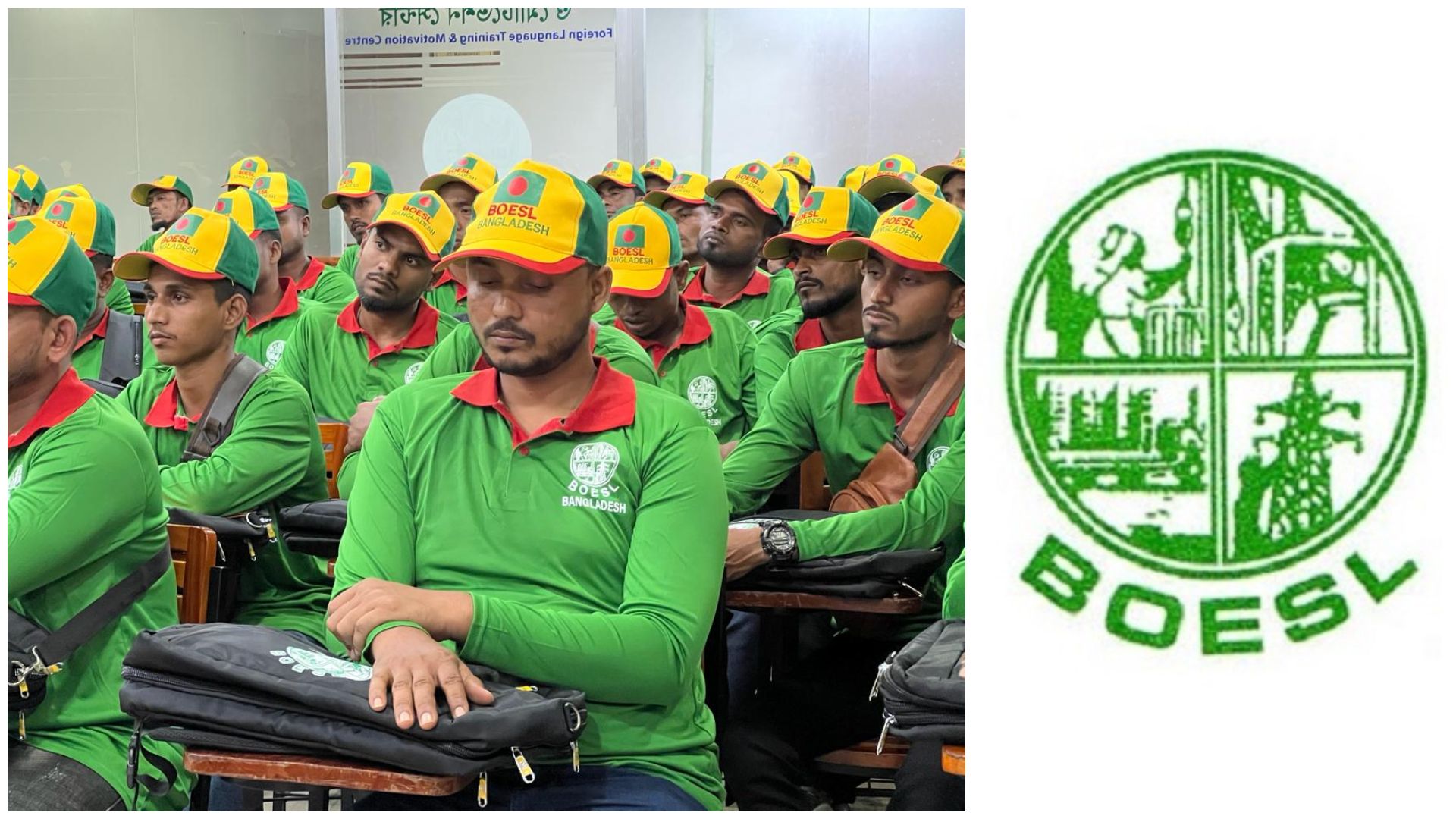
Bangladesh Overseas Employment and Services Limited (BOESL), the state-run agency under the Ministry of Expatriates' Welfare and Overseas Employment, has issued a formal public notice on Wednesday warning prospective overseas workers against fraudulent practices in the overseas job recruitment process.
The notice reaffirms the agency's statutory mandate, established under a 1984 government ordinance, to facilitate legal, ethical, and safe overseas employment for Bangladeshi nationals. The notice identifies three key areas of concern for job seekers.
First, the agency states that selection through the BOESL process requires no payment of commissions to agents, sub-agents, or any intermediary party. The agency warned that any such demand for commission constitutes a fraudulent act and urged applicants to remain vigilant.
Second, BOESL clarified that applicants selected for overseas posting are required to pay applicable fees exclusively through a designated mobile financial service—identified in the notice as bKash—or through authorised bank transfers. The agency cautioned against making any payments via unofficial channels, including cash transfers conducted through any individual or entity on BOESL's behalf.
Third, the notice directs all interested applicants to verify employment vacancies and related information through the agency's official digital platforms, including its website, YouTube channel, and Facebook page.
The notice further provides a list of official contact numbers for public enquiries, as well as a direct online application portal at brms.boesl.gov.bd.
Bangladesh is one of the world's largest sources of migrant workers, with millions employed abroad, particularly in the Middle East and Southeast Asia. Exploitative recruitment practices remain a persistent challenge for regulatory authorities.