
Chattogram elevated expressway faces 235-year cost recovery
প্রকাশ: বুধবার । ডিসেম্বর ০৩, ২০২৫
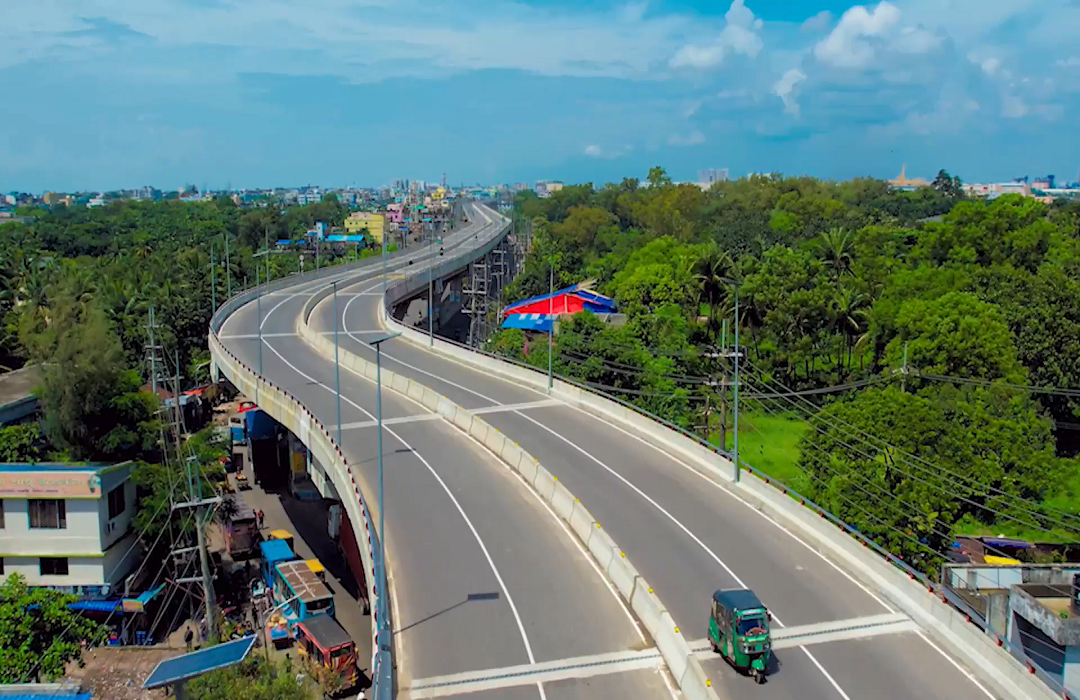
Chattogram Elevated Expressway continues bleeding money
as traffic reaches only 8% of projected targets, with toll collection data
suggesting recovery of construction costs could take 235 years.
Chattogram Development Authority, which implements the
project, provided toll figures showing daily vehicle numbers far below expectations.
Feasibility study by Bureau of Research, Testing and Consultation at Chittagong
University of Engineering and Technology predicted over 40 thousand vehicles
daily, generating annual toll income of around Tk 1 crore. Reality tells a
different story.
Currently, around 7 thousand vehicles use the expressway daily, collecting approximately Tk 5 lakh in tolls. Traffic volume remains stuck at slightly above 8 per cent of original projections despite allowing CNG autorickshaws on the route.
Urban planners blame inadequate planning for the
financial disaster. Expressway initially had no exit-entry ramps. Authorities
are now installing ramps following heavy criticism and additional spending,
though experts question their effectiveness.
Subhash Barua, urban planner and road transport expert,
suggested practical improvements. "They have already built a ramp at Tiger
Pass. They should build another access there for vehicles to get on, or modify
the existing one," he said.
Sikandar Khan, President of Citizens for Good
Governance Chattogram, expressed user frustration. “So many ramps exist, but
what about us, the users? We are the ones who will use them, yet the system
ignores us”, he said.
Abu Isa Ansari, Chief Urban Planner of CDA, admitted
challenges ahead. “An expressway must have multiple access and exit points. For
now, we have been able to open only a few, so the revenue naturally falls short
of the full projected plan”, he explained.
Expressway opened hastily on November 14, 2023, before
completion and ahead of national election. Vehicles travelled toll-free for
nearly a year until official collection began on January 3, 2025.