
Flying with a power bank? What passengers must know before boarding
প্রকাশ: সোমবার । ডিসেম্বর ২২, ২০২৫
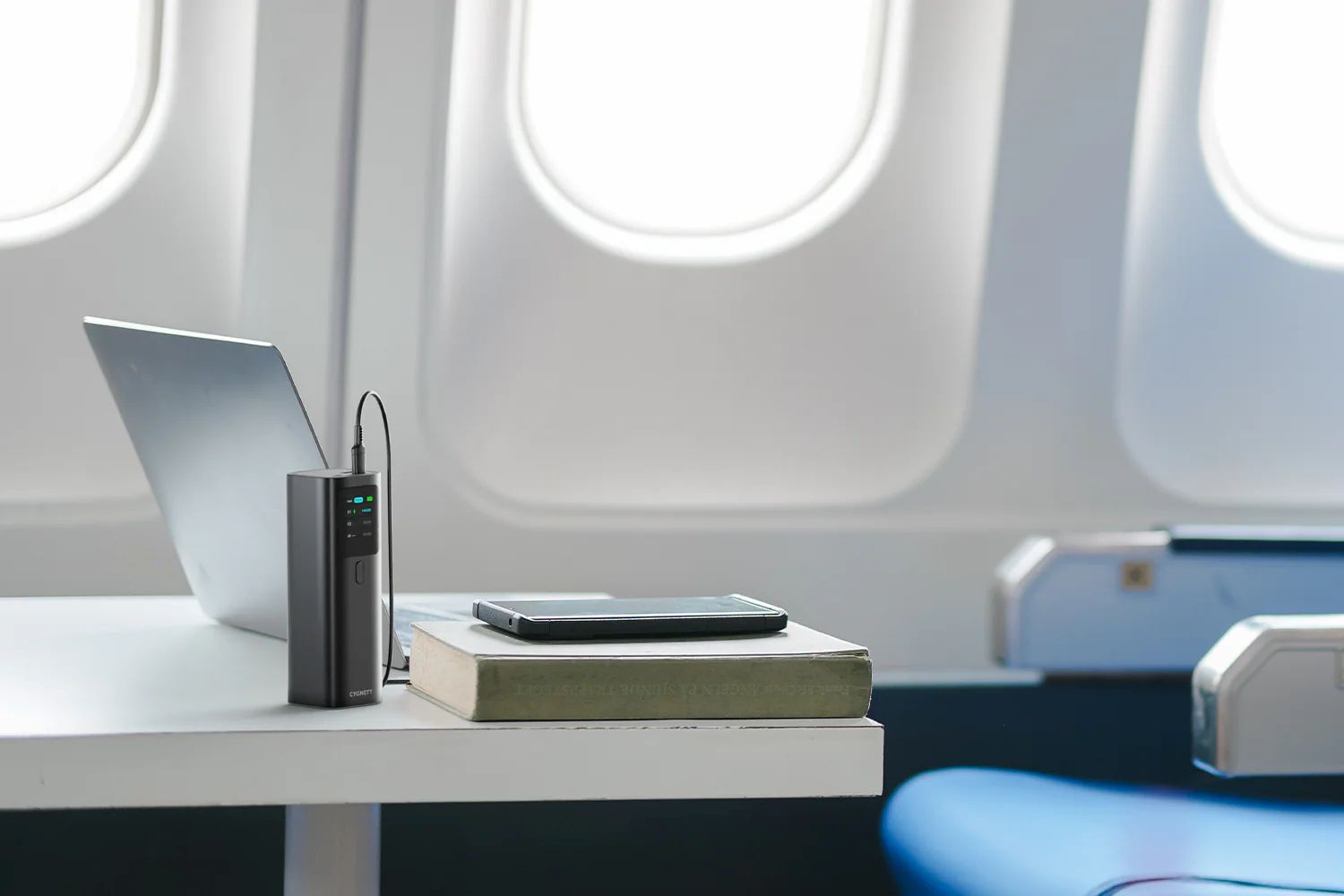
As holiday travel surges and cabins fill with phones, laptops, and power banks, airlines and safety experts are renewing warnings over the risks posed by lithium-ion batteries when they are improperly packed.
Lithium batteries—found in everyday devices from smartphones and laptops to cameras and e-cigarettes—are generally safe. But when damaged, overheated, or packed incorrectly, they can ignite and cause fires that are difficult to control, particularly in an aircraft cargo hold.
Research by the International Air Transport Association (IATA) highlights a worrying gap between awareness and behavior. While 93 percent of travelers say they are familiar with lithium battery rules, nearly half still pack devices incorrectly, most often in checked baggage.
Passengers are also traveling with more battery-powered devices than ever. An IATA passenger survey found that 83 percent carry a mobile phone, 60 percent travel with a laptop, and 44 percent bring a power bank. The growing number of devices has made correct packing a critical safety issue rather than a formality.

Seven rules airlines want every passenger to follow
IATA and airlines outline seven essential steps for safe travel with lithium batteries:
Bring only what you need. Extra devices and batteries increase risk.
Stay alert. If a device becomes hot, damaged, or starts smoking, cabin crew should be notified immediately.
Know your battery size. Batteries over 100 watt-hours—commonly used in cameras, drones, or power tools—may require airline approval.
Keep devices with you. Phones, laptops, cameras, vapes (if permitted), and power banks must be carried in hand luggage, never in checked baggage.
Remove batteries from gate-checked bags. If a carry-on is placed in the hold at the gate, all lithium devices must be taken out first.
Protect spare batteries. Loose batteries should remain in original packaging or have terminals covered with tape to prevent short circuits.
Review airline rules. Policies may vary depending on airline and local regulations.

Airlines tighten power bank rules
Some carriers have introduced stricter measures. Emirates and flydubai, for example, allow only one power bank per passenger, with a capacity under 100 watt-hours. Power banks cannot be charged onboard or placed in overhead bins and must be kept under the seat. They are strictly prohibited in checked baggage.
Several recent incidents have brought attention to these dangers:
In July 2025, a fire believed to have been caused by a power bank broke out in an overhead locker aboard a Virgin Australia Boeing 737 flight from Sydney to Hobart. The cabin crew extinguished the blaze with fire extinguishers and water, and the aircraft landed safely, but the episode prompted airlines to tighten lithium battery rules.
In March 2025, an Air Busan Airbus A321 aircraft preparing for takeoff at Gimhae International Airport in South Korea was destroyed by a fire suspected to have been sparked by a power bank stored in the overhead compartment.
In May 2025, a China Southern Airlines flight from Hangzhou to Shenzhen returned to the airport shortly after takeoff because a power bank and camera battery in carry-on luggage began smoking, forcing a precautionary diversion.
Airlines worldwide have revised their safety guidance and restrictions for lithium batteries in response to these incidents.
Common misconceptions persist
Despite repeated guidance, many passengers still believe small lithium devices can be packed in checked luggage or that power banks are permitted in the aircraft hold. IATA stresses that hand baggage is the only safe place for lithium-powered items, allowing the crew to respond immediately if a problem occurs.
All lithium-powered devices—including phones, tablets, laptops, cameras, power banks, smartwatches, and e-cigarettes—must remain in the cabin. Spare batteries must be protected, and size limits strictly observed: up to 100 watt-hours is generally allowed in carry-on bags, 100–160 watt-hours requires airline approval, and anything above that is usually prohibited.
Smart luggage is also affected. Bags with removable batteries are permitted only if the battery is taken out and carried onboard. Non-removable battery luggage may be banned entirely.
Why it matters
Lithium batteries can overheat or catch fire without warning. In the cargo hold, the crew cannot intervene quickly. In the cabin, they can. That distinction underpins all airline rules.
Passengers are advised not to touch damaged or smoking batteries and to follow crew instructions during any incident. Cabin crews are trained to manage such situations safely, but prevention starts with how travelers pack before leaving home.
Source: IATA/Simple Flying/ATSB/Wikipedia/VnExpress