Development Priorities
Lower allocation marks shift in aviation spending
Experts call for focus on operations, capacity
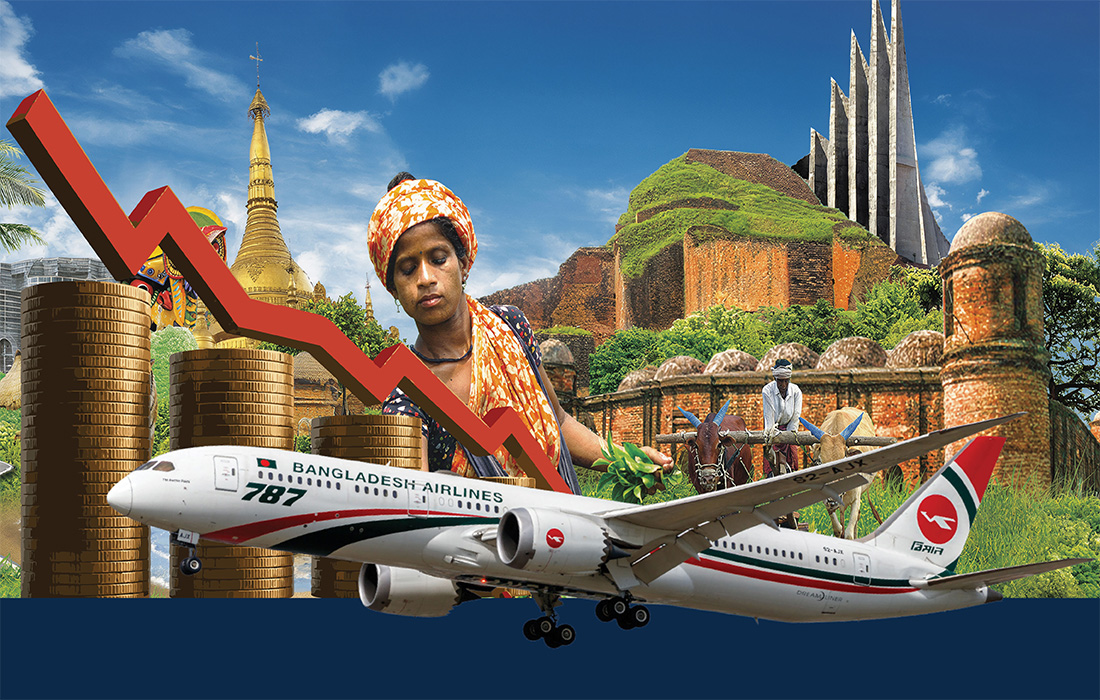
The budget allocation for civil aviation and tourism has undergone successive cuts over the years. The proposed budget for the Ministry of Civil Aviation and Tourism for the 2026-27 fiscal year stands at 1,884 crore BDT, a sharp decline from 6,597 crore BDT in the 2023-24 fiscal year.
While officials point to the completion of major infrastructure projects as the cause for the decrease, industry experts warn that the shrinking fiscal support could undermine future expansion and operational efficiency.
Aviation analyst ATM Nazrul Islam expressed concern regarding the impact of these cuts on the nation’s strategic ambitions. He noted that while the government frequently discusses the development of an aviation hub, the current budget lacks the necessary roadmap and financial backing.
"This is certainly a matter of concern because the government has shared many optimistic goals," Islam stated.
He highlighted that the dream of becoming a global hub requires specialised facilities like Maintenance, Repair, and Overhaul (MRO) centres, which are not prioritised in the current allocation.
Islam further argued that the budget focuses heavily on infrastructure development while neglecting the "capacity enhancement" required to fulfill the nation's aviation dreams.
Air Vice Marshal (retired) Mafidur Rahman, former Chairman of the Civil Aviation Authority of Bangladesh (CAAB), described the budget amount as "meager compared to previous years".
He attributed the decline to a period of administrative stagnation where no new feasibility studies or projects were initiated, creating a gap in the development pipeline.
Rahman cautioned that the government’s public commitments do not match the fiscal reality, stating, "Commitment does not commensurate with the budget".
He warned that failing to take on new projects now will lead to further delays in the future development and expansion of the aviation sector.
Regarding the prioritisation of limited funds, ATM Nazrul Islam urged the government to focus on operationalising existing assets and improving management systems.
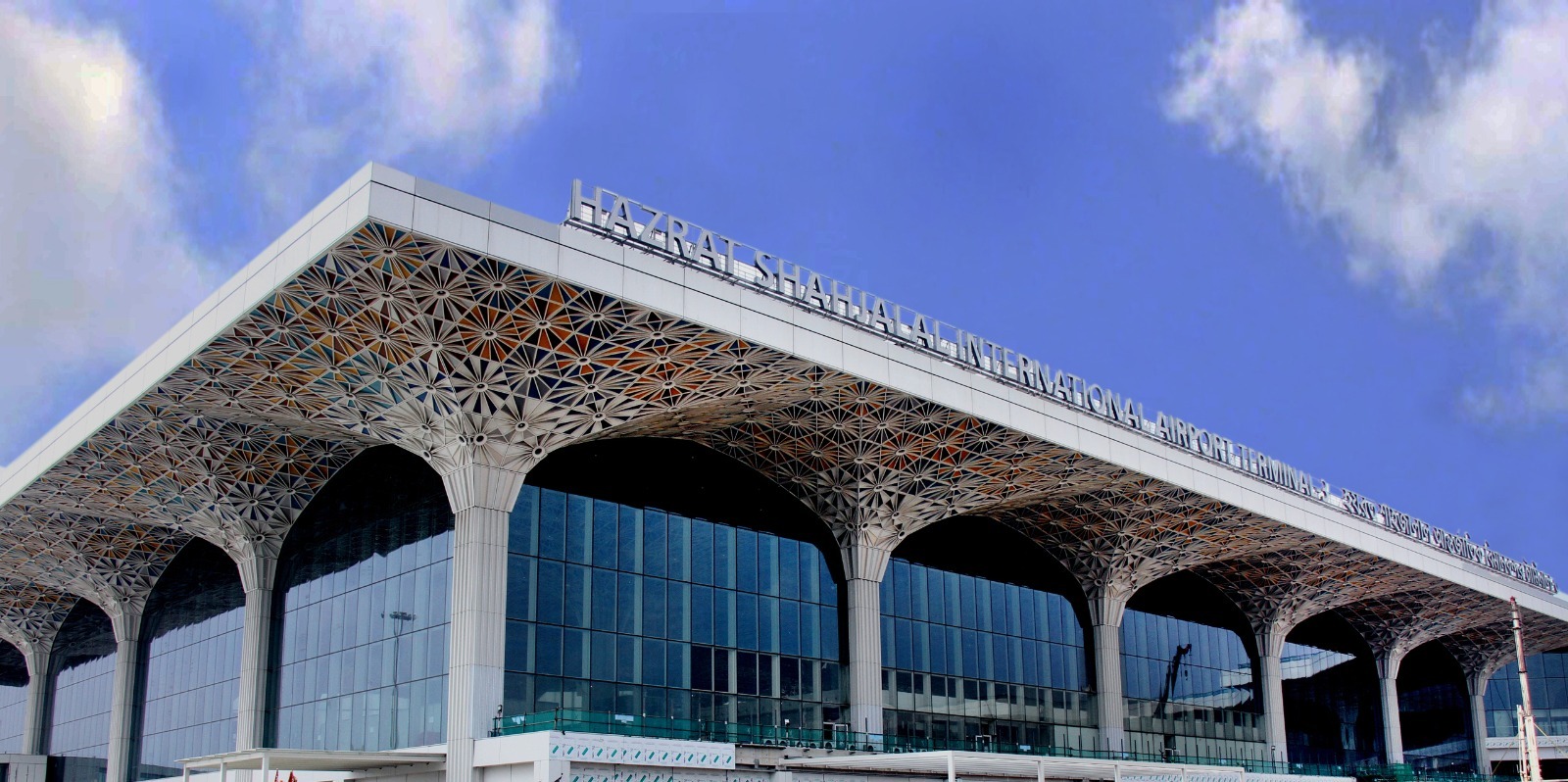
He emphasised that the immediate priority should be the activation of the Third Terminal at Hazrat Shahjalal International Airport (HSIA) and the enhancement of air traffic management to reduce congestion.
"We must prioritise how to utilise the existing runway more efficiently to handle a larger influx of passengers," Islam suggested, noting that building new runways is not a short-term feasibility.
He also identified the cargo sector as a vital area for investment, arguing that improved facilities are necessary to boost national exports. For the tourism sector, Islam advised focusing on "airport-to-centre" connectivity to ensure foreign tourists can easily access destinations.
Mafidur Rahman insisted that the first priority must be completing all ongoing projects to prevent further financial losses. He pointed out that delays in operationalising major projects like the Third Terminal have already forced the government to pay penalties to contractors.
Beyond immediate operations, Rahman highlighted land acquisition as a critical strategic priority. He warned that if the government does not secure land for future airport extensions now, the sites will be converted for residential or agricultural use, making future expansion "prohibitively expensive".
Rahman concluded that while the current budget is low, a revised budget may be necessary to "pour more money" into these essential areas to secure the industry's return on investment.

Make Comment
Login to CommentPopular News




Subscribe to News Letter
Latest News